ABA Across Home, School & Community Settings
When clinically appropriate and authorized, ABA services may be provided at home, at school, or in community settings. Recommendations are based on assessment findings, treatment goals, caregiver input, and access to each setting.


Support Where Skills Are Used
Teaching and practicing skills in relevant environments can help children use them during the routines and activities where they are needed.
Home
Home-based sessions focus on teaching and practicing skills connected to familiar routines and family life.
Examples:
- Dressing, mealtimes, hygiene, bedtime, and other routines
- Toileting and other self-care skills
- Communicating needs and asking for help
- Playing and sharing with siblings
- Moving between activities with greater flexibility
School
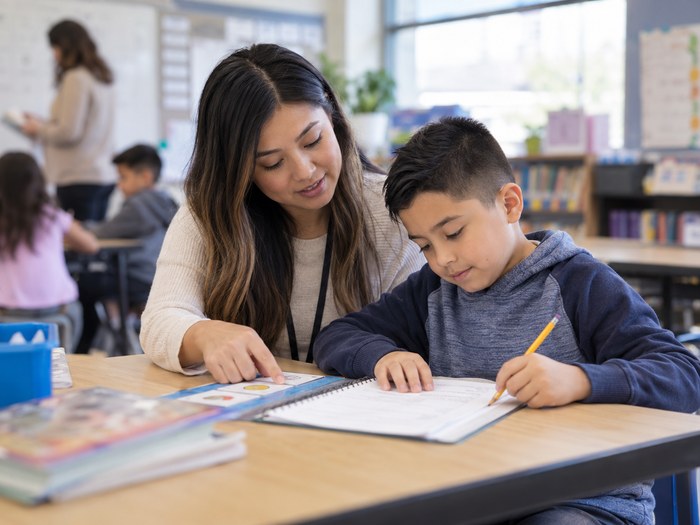
School-based ABA may address medically necessary treatment goals that affect participation in the school day when authorized by the funding source and approved by the school.
Examples:
- Transitions between activities or locations
- Participating in classroom routines
- Communicating with peers and teachers
- Participating in appropriate classroom and group activities
- Practicing social, communication, and safety skills
Community
Community-based sessions provide opportunities to practice individualized treatment goals during real-world activities when clinically appropriate and authorized.
Examples:
- Staying near a caregiver during community outings
- Waiting, making choices, and communicating needs during community outings
- Taking turns and interacting with peers
- Practicing pedestrian and community-safety skills
- Using familiar skills in new or less familiar environments
Important Information About School-Based Services
School-based services require caregiver consent, funding authorization, and approval from the school. When appropriate, the clinical team may collaborate with teachers and other school professionals, and the BCBA may participate in IEP meetings when invited. ABA services do not replace academic instruction, special education services, or the responsibilities of school staff.

Ready to Learn More?
Tell us about your child’s needs, location, and where support may be most helpful. We’ll follow up about available service settings, funding, and next steps.